
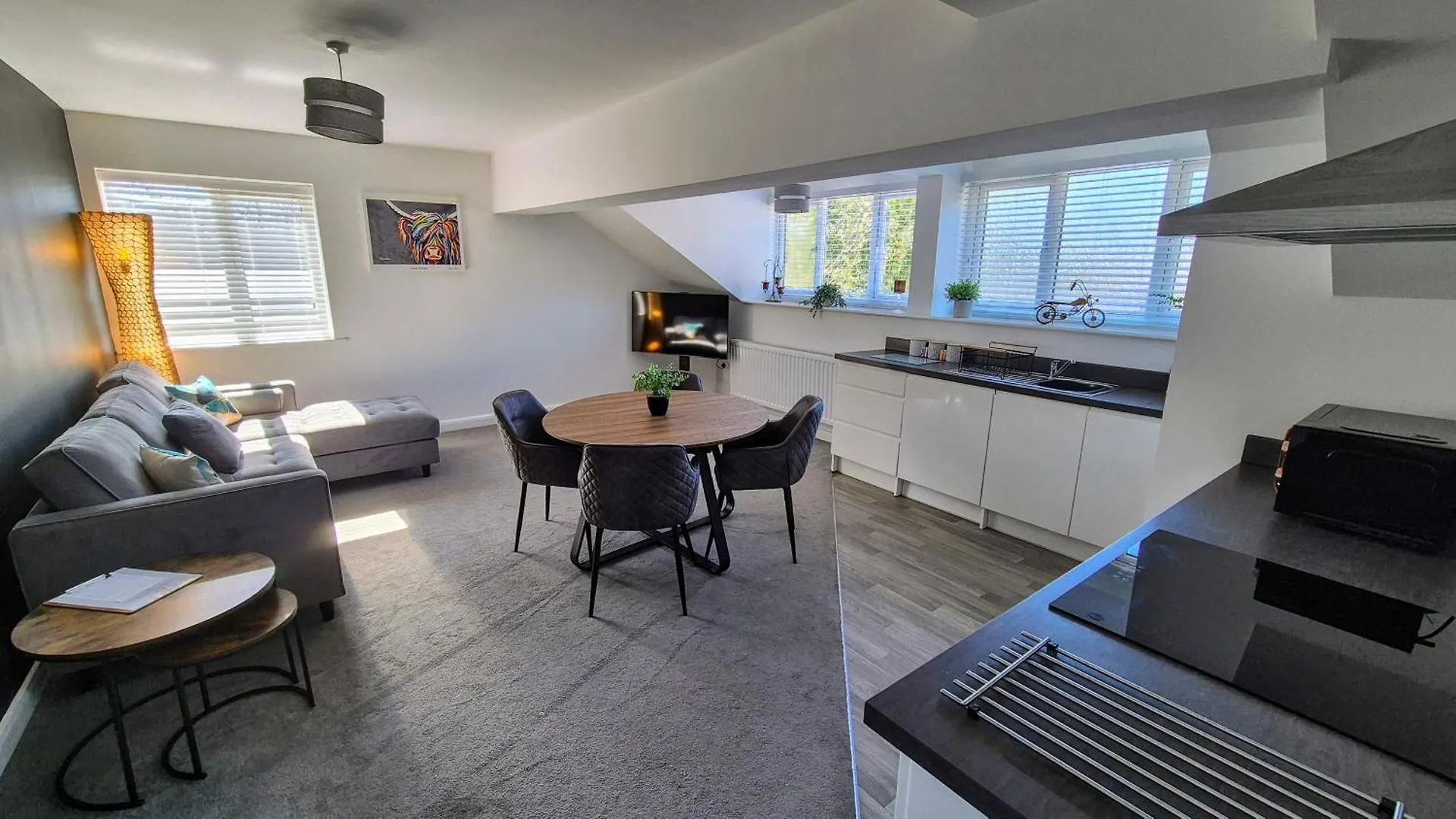
The Peak District draws hikers, weekenders, and countryside seekers from across the UK and beyond - but choosing where to stay can make or break your trip. These 4 hotels stand out specifically for their location ratings, placing guests within direct reach of the national park's most walkable valleys, limestone dales, and moorland trails. From a Grade II listed country pub on the edge of Kinder Scout to a sprawling 13-bedroom manor above Dovedale, each property is positioned to give you the landscape - not just a room near it.
What It's Like Staying in the Peak District
The Peak District is the UK's first and most visited national park, attracting around 13 million visitors per year - yet its accommodation is deliberately spread across small villages and farmsteads rather than concentrated in one hub. There is no single central town to base yourself in; instead, you choose a valley or village that suits your itinerary. Bakewell is the most serviced town, but staying in smaller settlements like Edale, Hayfield, or Tissington puts you closer to the walking trails that most visitors come for.
Transport is largely car-dependent outside of the Hope Valley rail line, which connects Sheffield, Edale, and Hathersage. Driving between attractions is typically under 45 minutes anywhere within the park, making location less critical than in a city - but still worth planning around your specific walks or sites.
Pros:
- Immediate access to named trails like the Pennine Way, Monsal Trail, and Dovedale Stepping Stones from most rural stays
- Very low light pollution across the Dark Peak - exceptional for stargazing and early morning runs
- Peaceful, low-density surroundings mean no noise from traffic or nightlife even at peak summer weekends
Cons:
- Most villages have no supermarket - grocery runs require driving to Bakewell, Buxton, or Leek
- Mobile signal is patchy in deep valleys like Edale and Rowarth, which complicates navigation apps on-trail
- Parking at major trailheads (Dovedale, Mam Tor) fills by 9am on summer weekends, penalising late risers
Why Choose a Well-Located Hotel in the Peak District
In the Peak District, location is the single most consequential booking decision. Staying at a property within walking distance of a trailhead eliminates the daily car-park scramble that costs many visitors an hour or more each morning. Properties with high location scores here are typically positioned in named valleys or on historic routes - not on the A-road edge of a market town. The price difference between a well-positioned rural inn and a town-centre guesthouse in Buxton is modest, often around £20 per night, but the experiential gap is significant.
Farm cottages and country inns dominate the high-location-rated category in this national park, simply because the land constraints prevent large hotel developments in the most scenic spots. Room sizes tend to be generous compared to urban UK hotels, with self-catering cottages often offering full kitchen facilities - useful for walkers who want early starts without waiting for breakfast service. Trade-offs include limited on-site dining variety and the need to plan evening meals in advance, as village pubs often stop serving food by 8:30pm.
Pros:
- Direct trail access from the door - no car needed to reach Kinder Scout, Dovedale, or Edale valley walks
- Countryside properties typically include free parking, a genuine rarity compared to town-centre stays
- Dog-friendly policies are standard at most rural Peak District inns and farm stays, unlike urban hotels
Cons:
- Evening entertainment and restaurant variety require a drive - most villages have one pub at most
- Limited last-minute availability in summer - top-location properties book out weeks ahead, especially on weekends
- Self-catering cottages require more planning around supplies than serviced hotel stays
Practical Booking & Area Strategy for the Peak District
The Peak District divides broadly into two zones: the Dark Peak in the north (moorland, gritstone edges, Kinder Scout, Edale) and the White Peak in the south (limestone dales, Dovedale, Chatsworth, Tissington). Choosing your base around these zones is more useful than picking a specific town. If your priority is long-distance walking or the Pennine Way, base yourself near Edale or Hayfield in the northwest. If Chatsworth House, Dovedale, or Alton Towers are on your list, stay closer to Tissington or the Staffordshire border.
Chatsworth House, one of England's most visited stately homes, draws significant visitor numbers and is best approached on weekdays. Dovedale's famous stepping stones see their heaviest foot traffic on Sunday afternoons in July and August - arriving before 9am or after 4pm dramatically changes the experience. For self-catering properties, booking at least 6 weeks ahead for summer weekends is the minimum - the most location-rated cottages and inns are taken well before that window. The Hope Valley rail line provides a car-free route into the Dark Peak from Sheffield or Manchester Piccadilly, with Edale station a short walk from the village centre.
Best Value Stays
These properties offer strong location credentials at accessible price points - ideal for walkers, families, and travellers prioritising countryside access over luxury finish.
-
1. The Little Mill Inn
Show on map


 Check-infrom 15:30 until 22:30Check-outfrom 08:00 until 10:00
Just a few rooms left at the best rate!
from£ 152
-
2. Yha Edale Activity Centre
Show on map


 Check-infrom 17:00 until 22:00Check-outfrom 08:00 until 10:00
Just a few rooms left at the best rate!
from£ 21
-
3. Bank Top Farm Cottages
Show on map


 Check-infrom 15:00 until 21:00Check-outfrom 10:00 until 11:00
Hurry – almost gone at this price!
from£ 158
Best Premium Stay
For groups, families, or travellers wanting exclusive use of a large Peak District property with full amenities, this option stands apart from any other in the selection.
-
4. Dovedale Manor
Show on map


 Check-infrom 15:00 until 23:59Check-outfrom 07:00 until 10:00
Rooms filling fast – secure the best rate!
from£ 4487
Smart Travel & Timing Advice for the Peak District
The Peak District operates on two distinct seasonal rhythms. Late May through August is the busiest window - Dovedale, Mam Tor, and Chatsworth are all significantly crowded, accommodation prices spike, and weekend availability at well-located rural properties disappears fast. September and October offer the best balance: lower crowd density, cooler walking temperatures, autumn colour across the moorlands, and prices that often sit around 20% below their July peak.
Winter stays between November and February are genuinely quiet and often deeply discounted, but some smaller properties close entirely or reduce facilities. The Hope Valley line runs year-round and provides reliable access for non-drivers. A minimum of two nights is the practical baseline for most visitors - one night is rarely enough to cover both a full walking day and a visit to a major attraction like Chatsworth or Dovedale. Three nights allows you to cover both the Dark Peak and White Peak zones without feeling rushed. For summer bank holidays, book at least 8 weeks ahead for top-location properties - last-minute availability is almost nonexistent.


